MARIONET
AND THE PROJECT’S FRAMEWORK

Marionet is a theatre company geared towards the promotion and dissemination of artistic and scientific cultures, through cross-fertilisation activities between the performing arts and the sciences.
In our investigation, creation and communication work, we regularly partner with theatres and scientific research centres, and we collaborate on various research projects.
What drives us is questioning and reflecting on the world, supported by this disciplinary crossroads. And it is in this context that we create shows, carry out research, organise conferences and readings, provide training, produce videos, publish books, and share a documentation centre.
Using our 25 years of experience, particularly in producing shows based on real testimonies, we will contribute to the project's objectives by creating a theatre play and a documentary video, both focused on the theme of the urban stream ecosystem.
TASKS, DELIVERABLES AND TIMETABLE
Within the project structure, Marionet is responsible for Task 4.5, which includes the following Deliverables:
| Phase / Activity | Timeline |
|---|---|
| D4.5: Theatre Play ‘Play for Rivers’ | |
| Interviews | 25 November 2025 → 5 February 2026 |
| Processing of interview data | 9 February 2026 → 20 February 2026 |
| Text writing | 23 February 2026 → 10 April 2026 |
| Rehearsals | 13 April 2026 → 13 May 2026 |
| Performances | 16, 23, 30 May 2026 (two sessions per day) |
| D4.6: Video Documentary | |
| Production | 28 November 2025 → 13 May 2026 |
| Editing and post-production | 15 May 2026 → 24 June 2026 |
| Upload and public screenings | from 1 July 2026 |
PLAY FOR RIVERS
PLAY
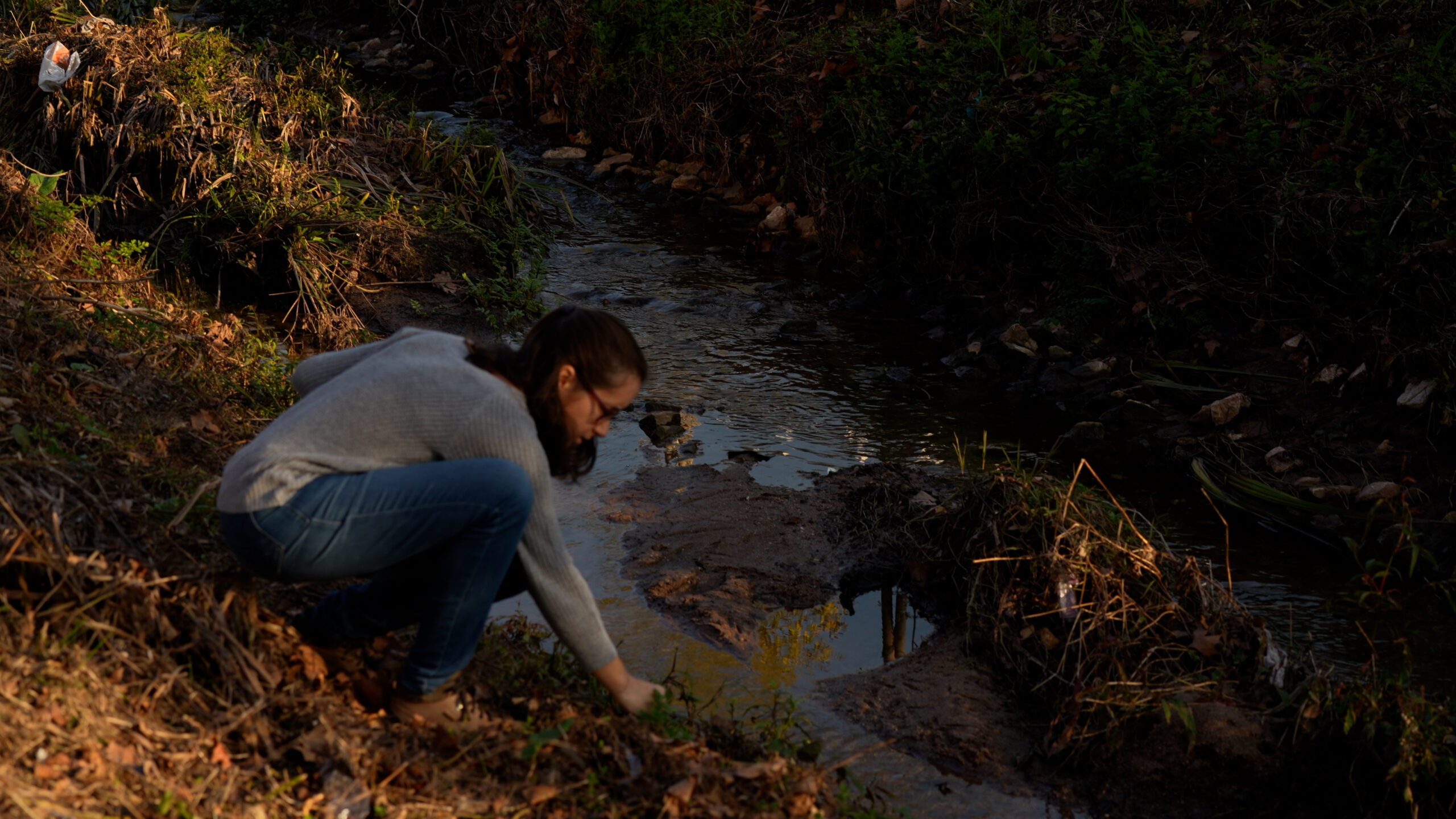
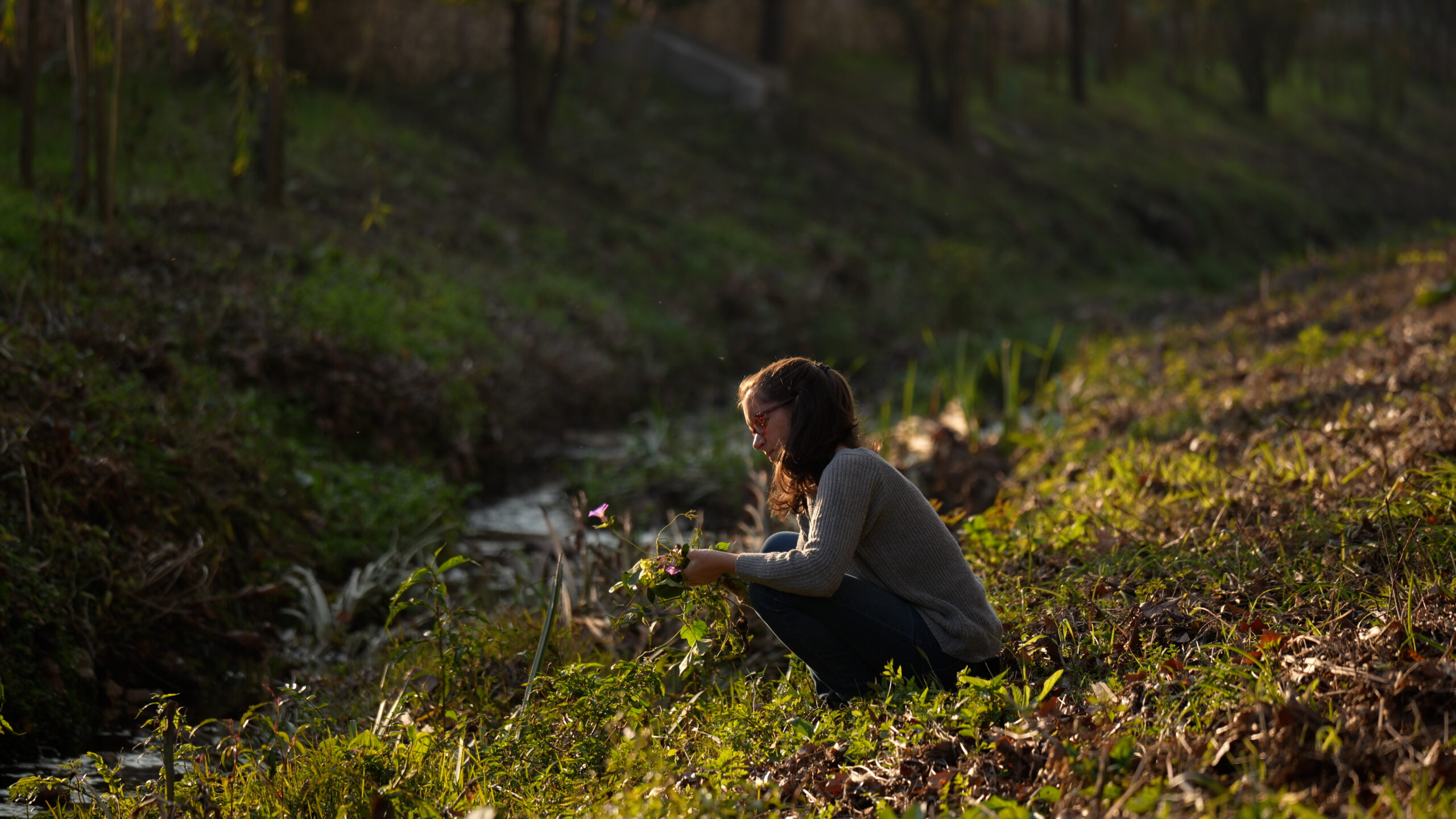
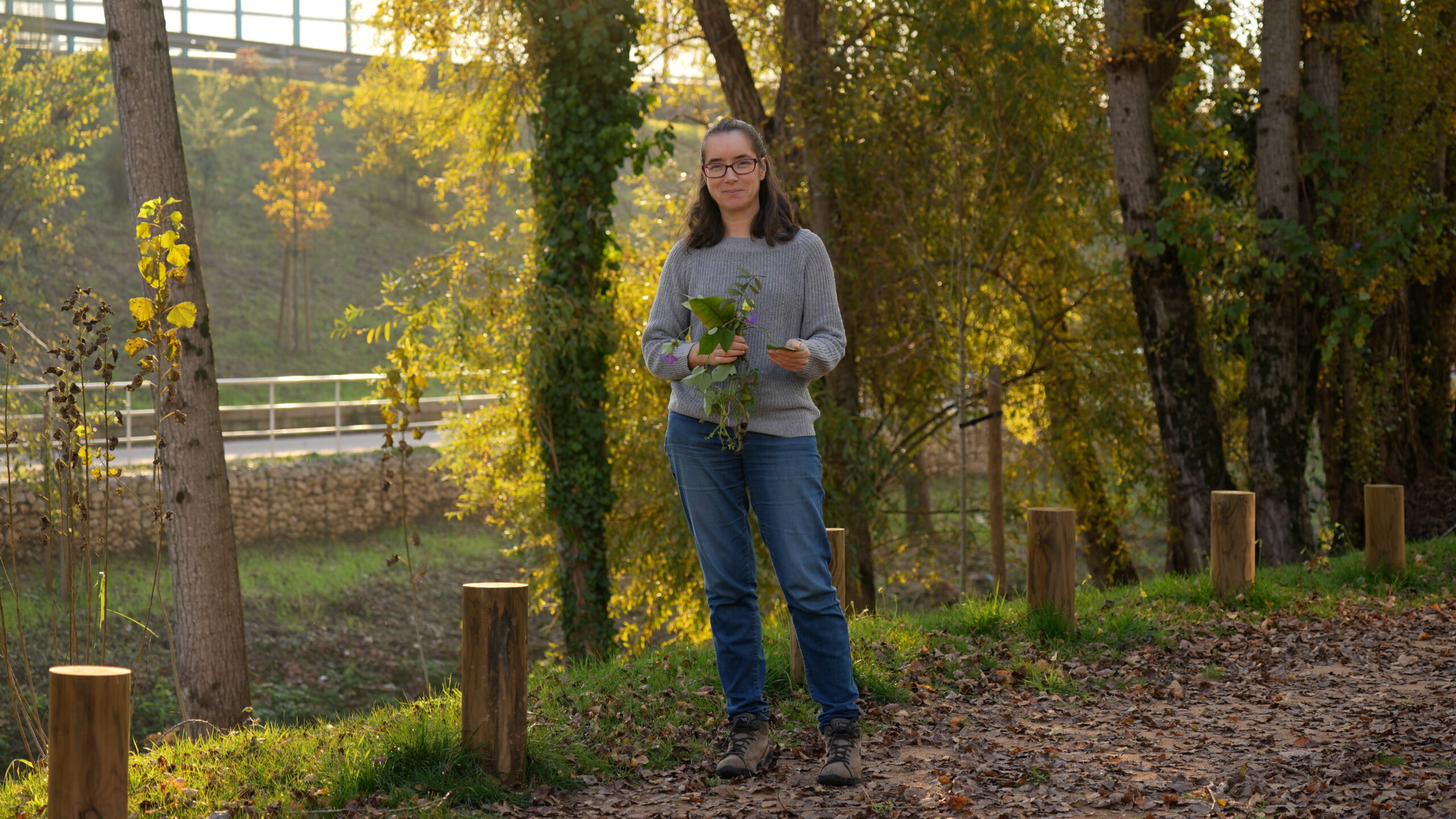
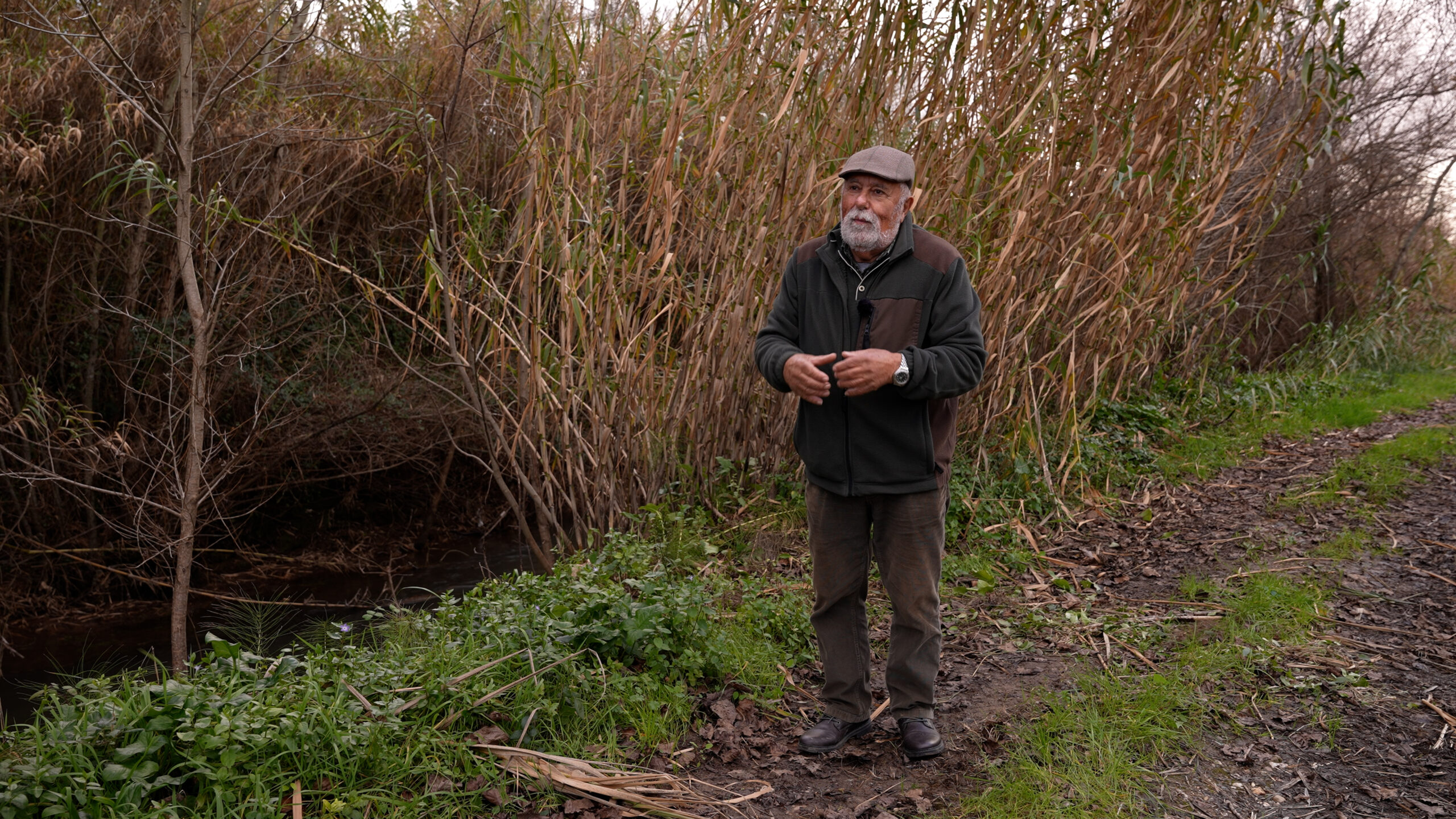
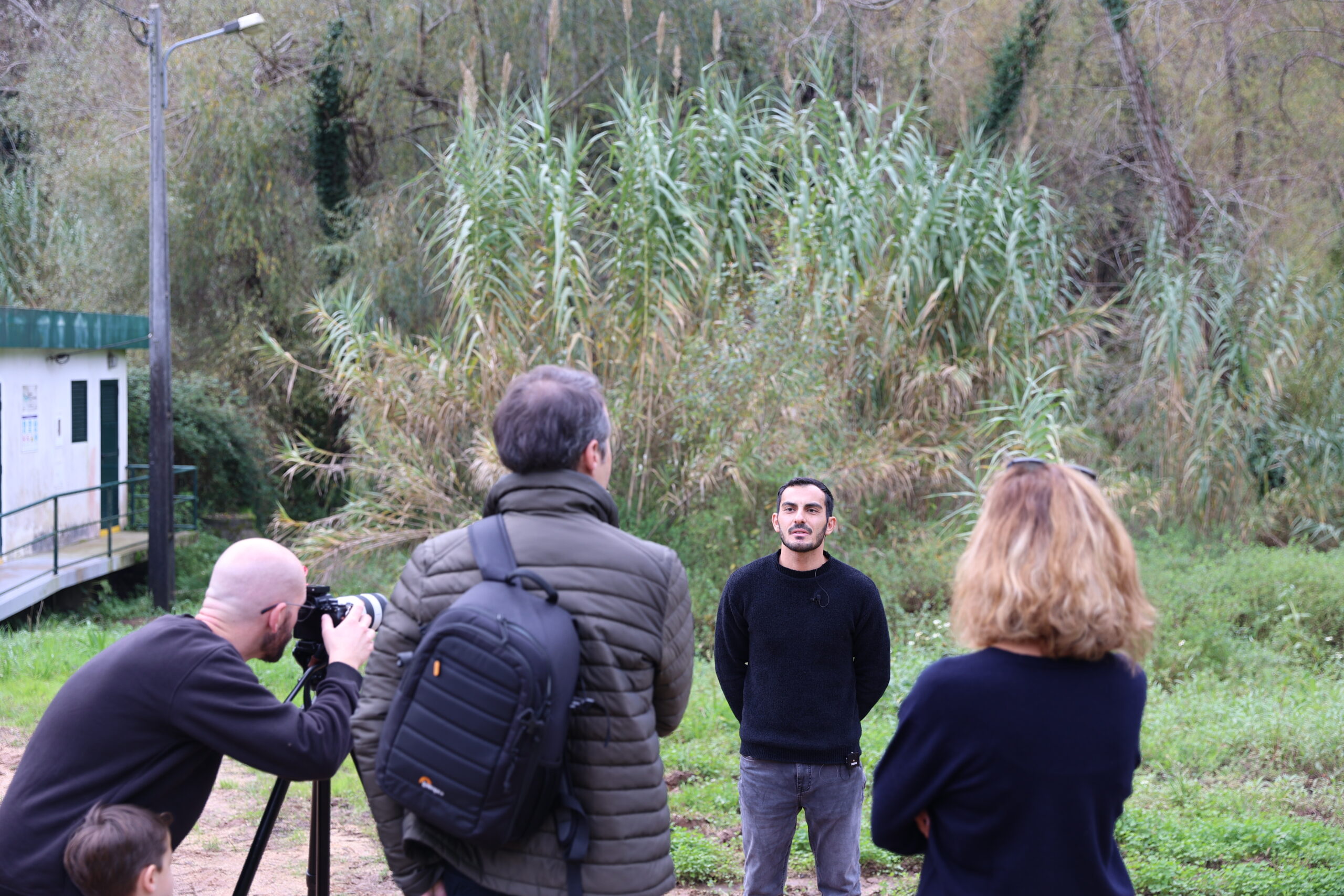
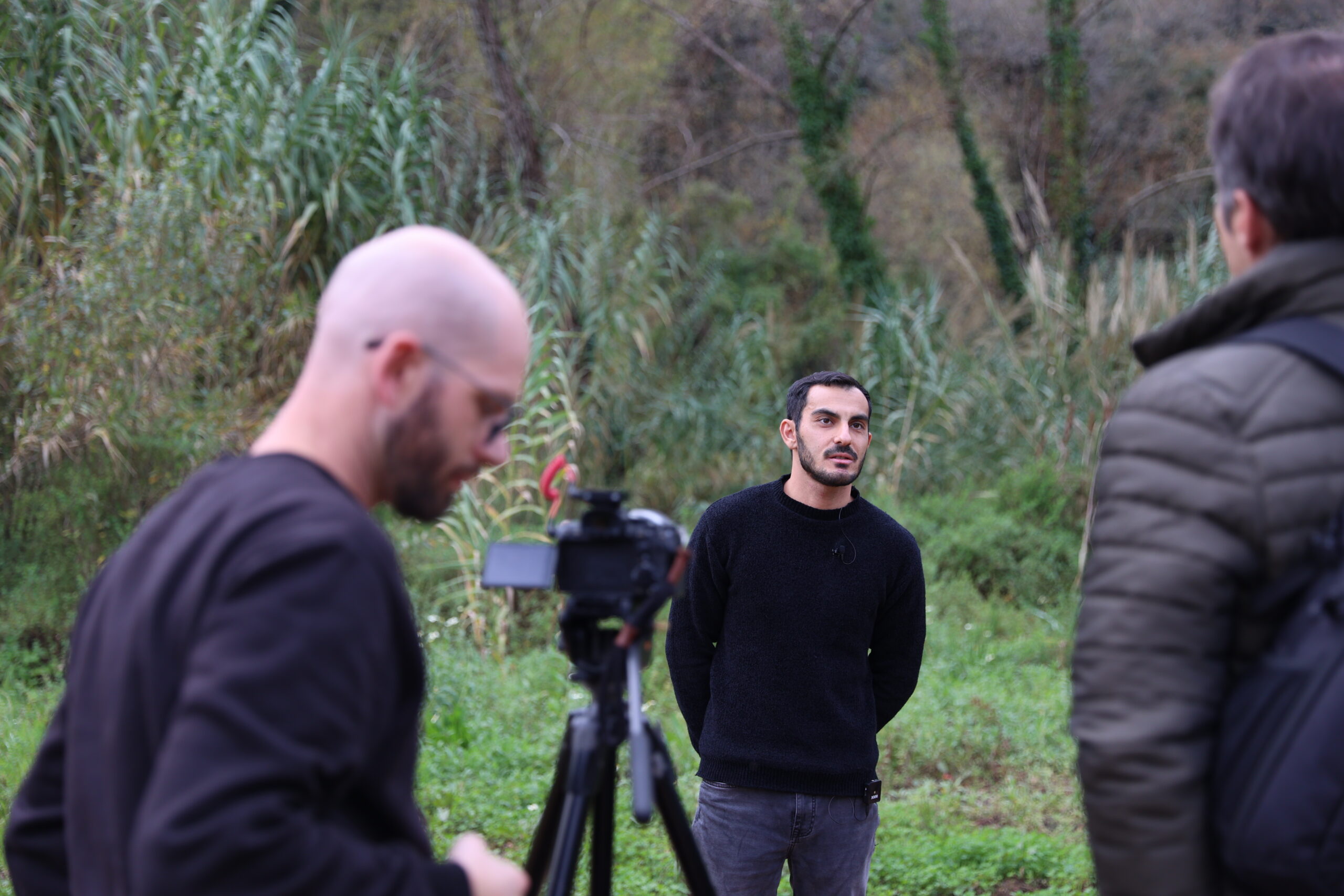
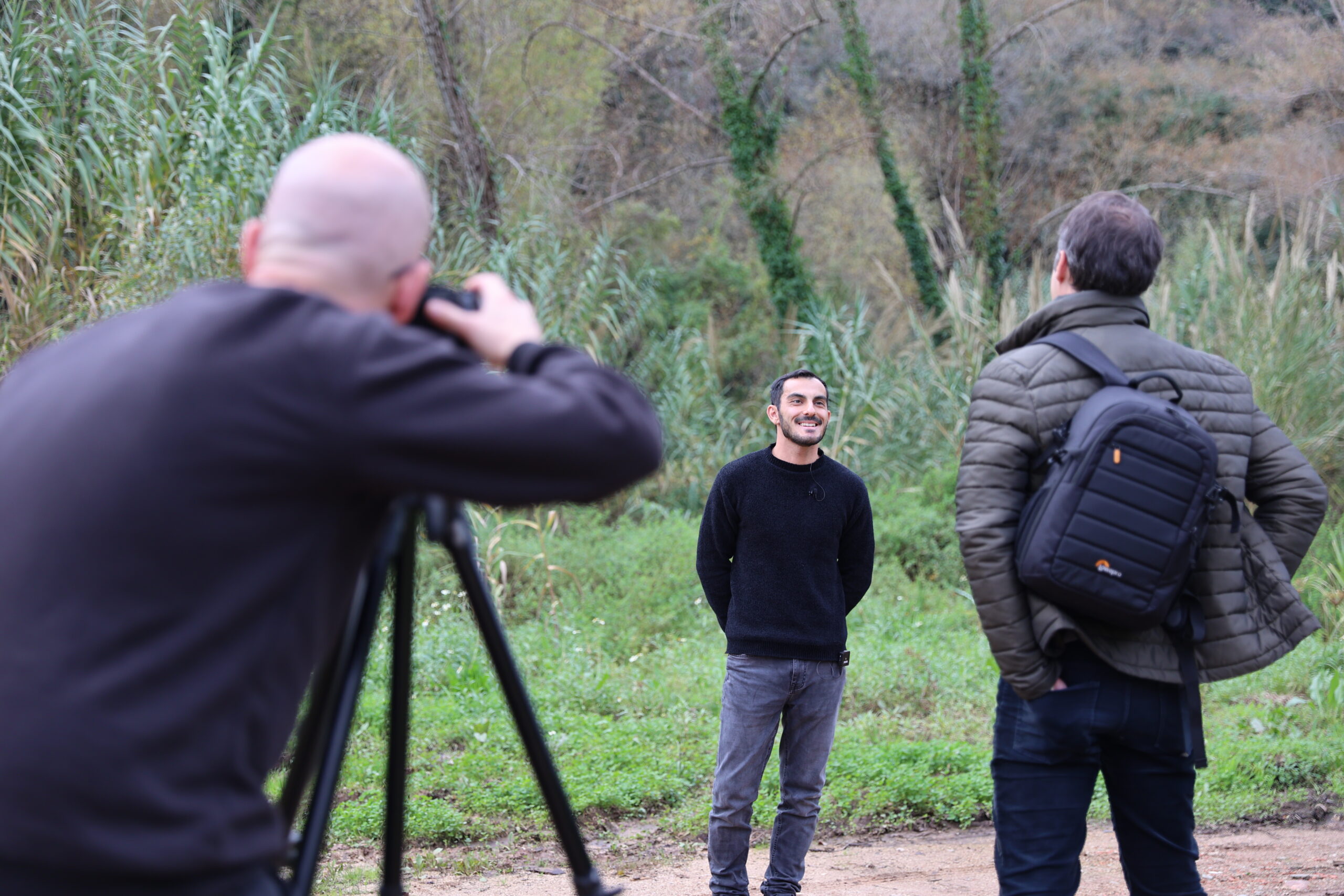
Since January 2025, Marionet has been a partner in the OneAquaHealth project, contributing to community engagement, science communication, and public reflection on the project’s research activities. From the outset, the team has closely followed the scientific development and begun engaging with communities living near urban rivers, conducting interviews to understand how people relate to these ecosystems.
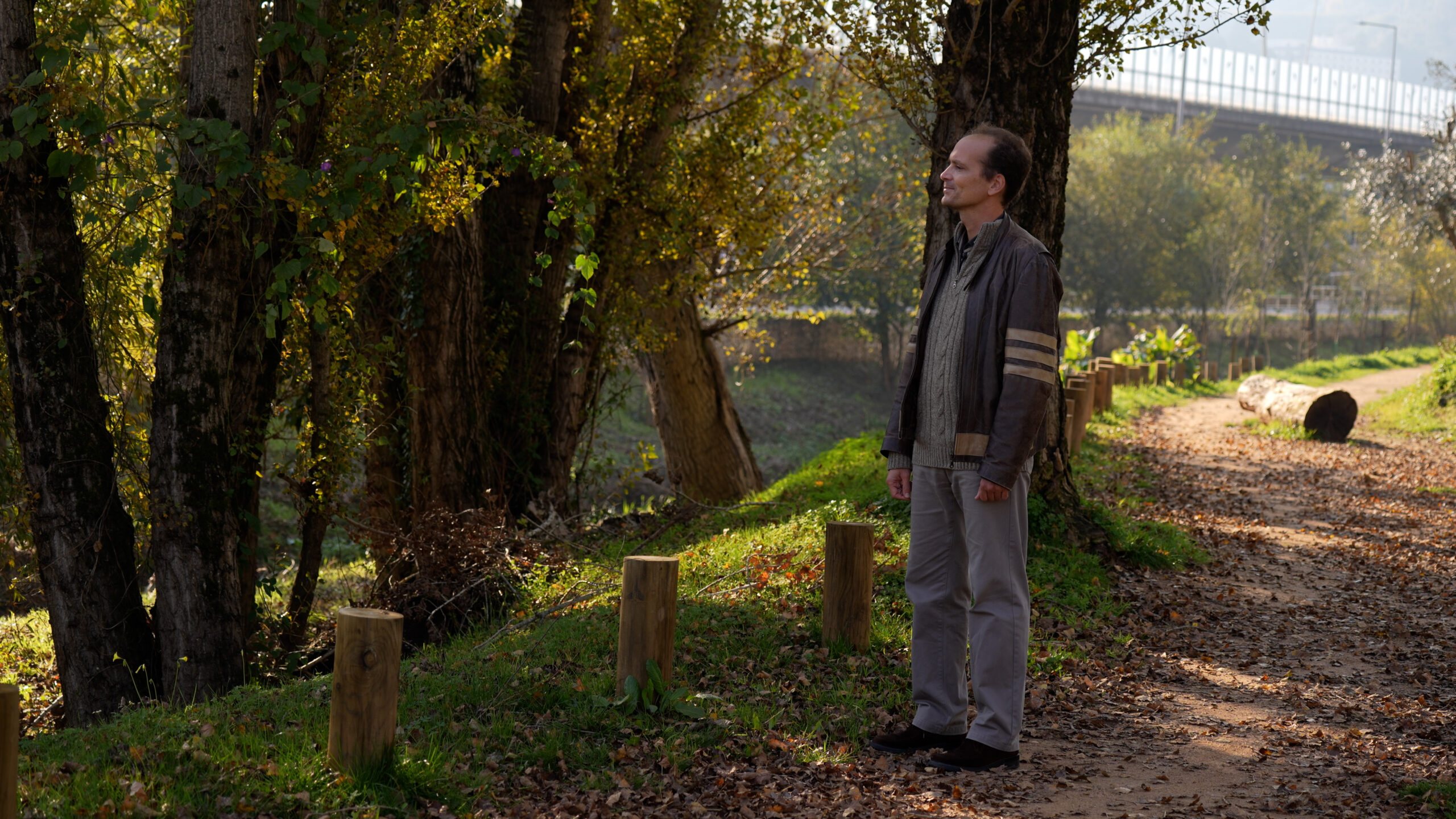
Drawing on these insights and the project’s scientific findings, Marionet is developing the theatre production Play for Rivers (Peça para Rios), scheduled to premiere in May 2026. This artistic intervention invites audiences to reconnect with urban streams and recognise their ecological, cultural, and social significance. The performance traces how waterways have evolved over time, the services they provide, and the interdependence between ecosystem health and human wellbeing. By situating the play directly within an urban river environment, the production aims to create a space for shared reflection on the relationship between human health and aquatic ecosystems.
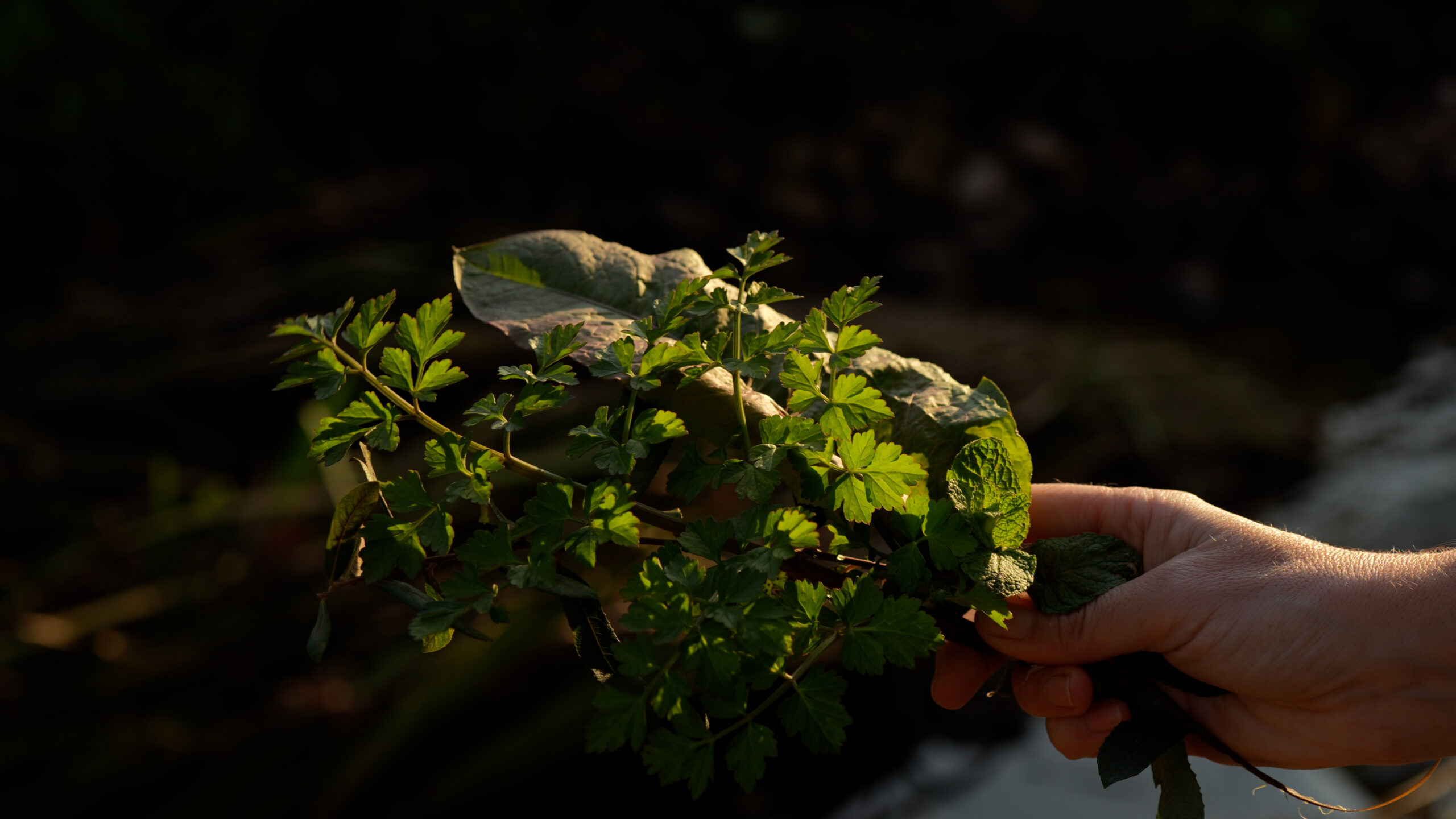
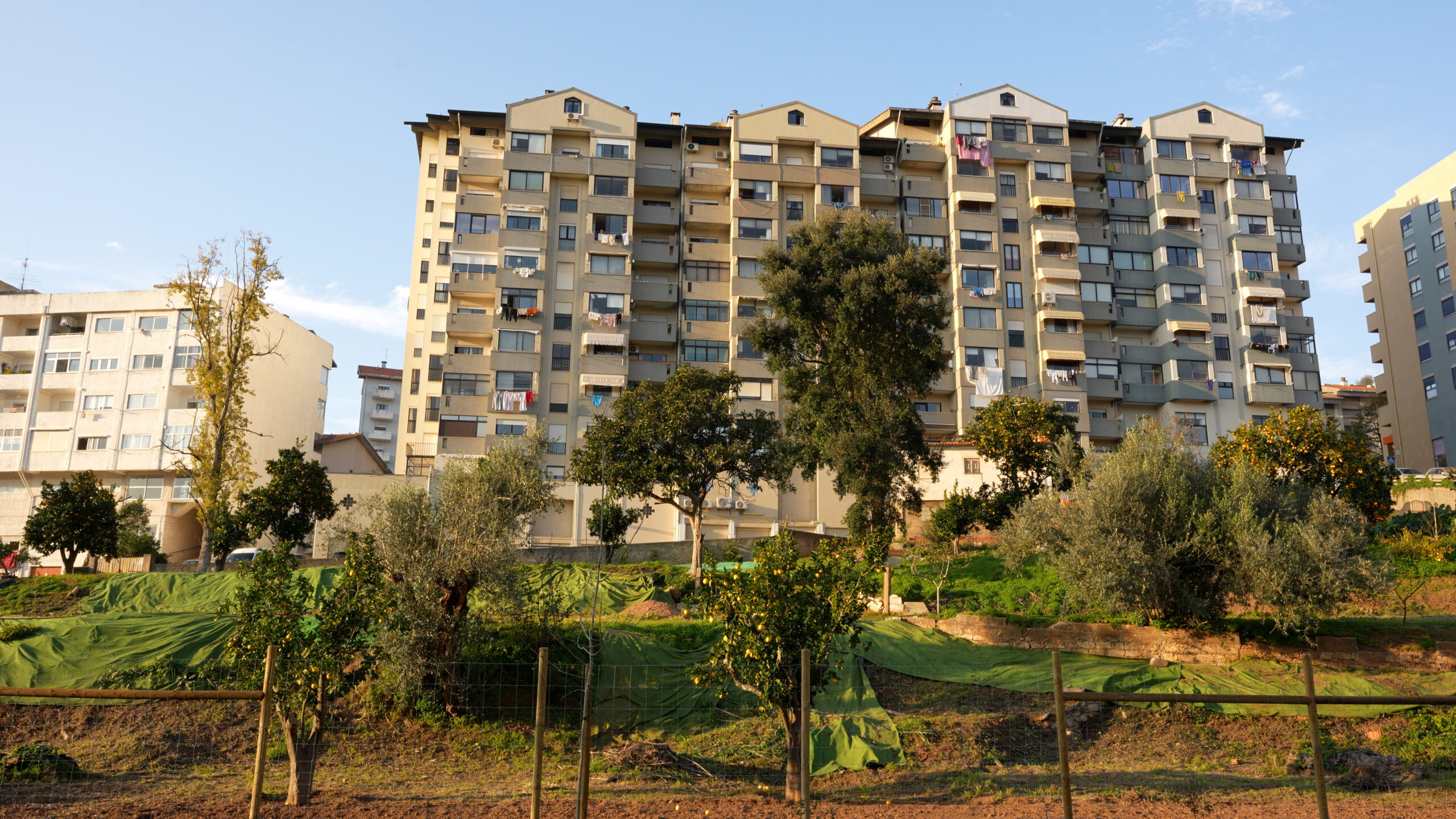
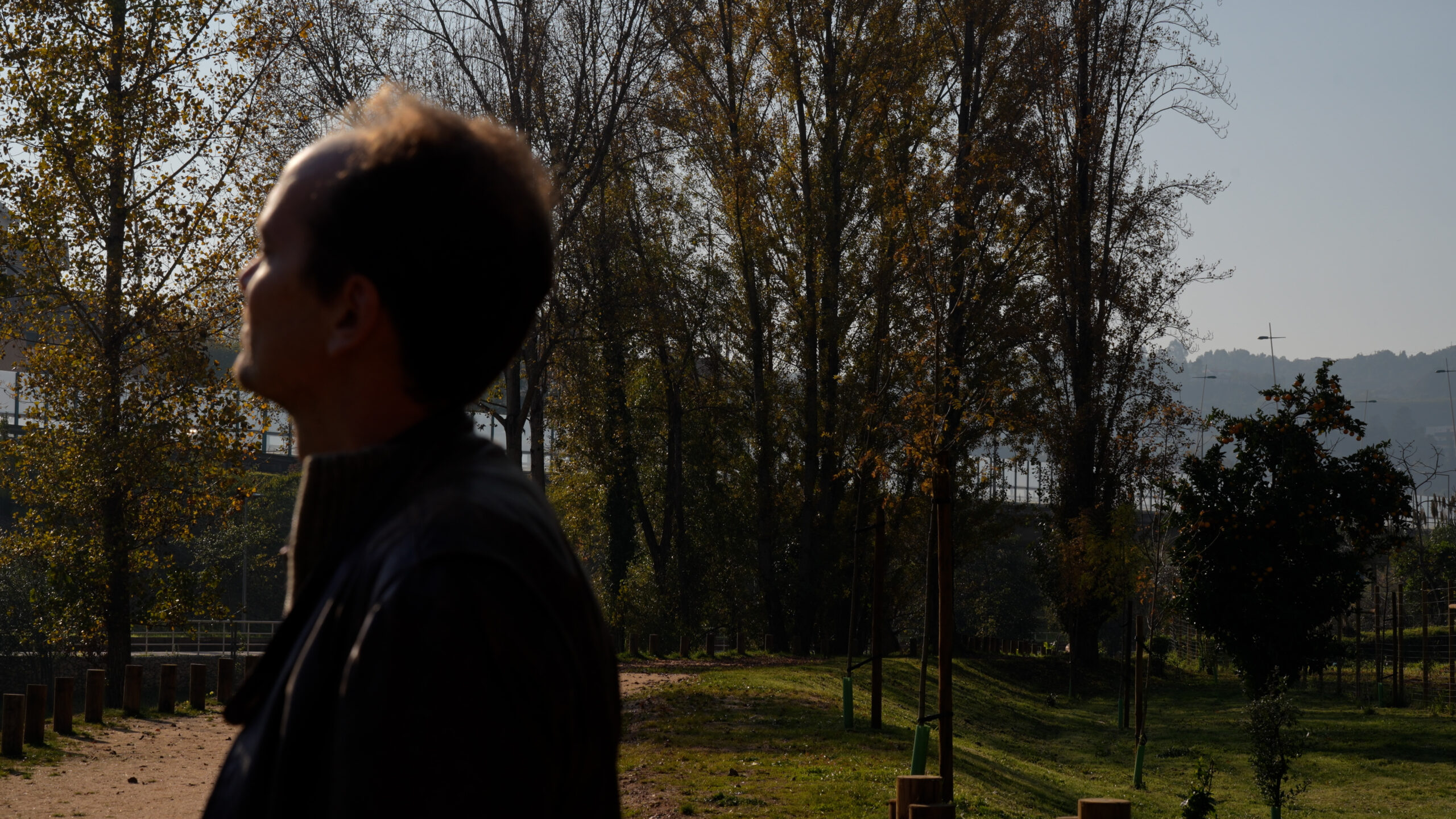
Play for Rivers will be performed outdoors along the Madrigueira urban stream in Coimbra. Audiences will encounter a fictional narrative that weaves together themes of ecosystem dynamics, biodiversity, ecological status, cultural heritage, historical relevance, and the role of rivers in shaping the future of cities and community wellbeing. Experiencing the performance in the natural setting of the stream is expected to deepen awareness and foster meaningful engagement with the subject matter.
PROMOTIONAL VIDEO
PLAY FOR RIVERS
DOCUMENTARY
Marionet will produce a short video documentary about the making of the show ‘Play for Rivers’, including images of the rehearsals, the public performances, as well as excerpts of a series of interviews with citizens who live near urban streams that we conducted during the preparation of the play. The aim is to present the ideas developed in the play, along with the process of its creation, in a format suitable for travelling light.
Let’s have people looking at the urban streams. And getting to know them better. And taking care of them, while taking care of themselves along the way.
The 'Play for Rivers' concept can be easily adapted to other cities. With site‑specific ecological research and an updated script, the performance can be reproduced in different urban contexts to engage local communities and highlight the importance of their own waterways.