Artificial Rivers in the Eastern World: Control, Growth, and Restoration
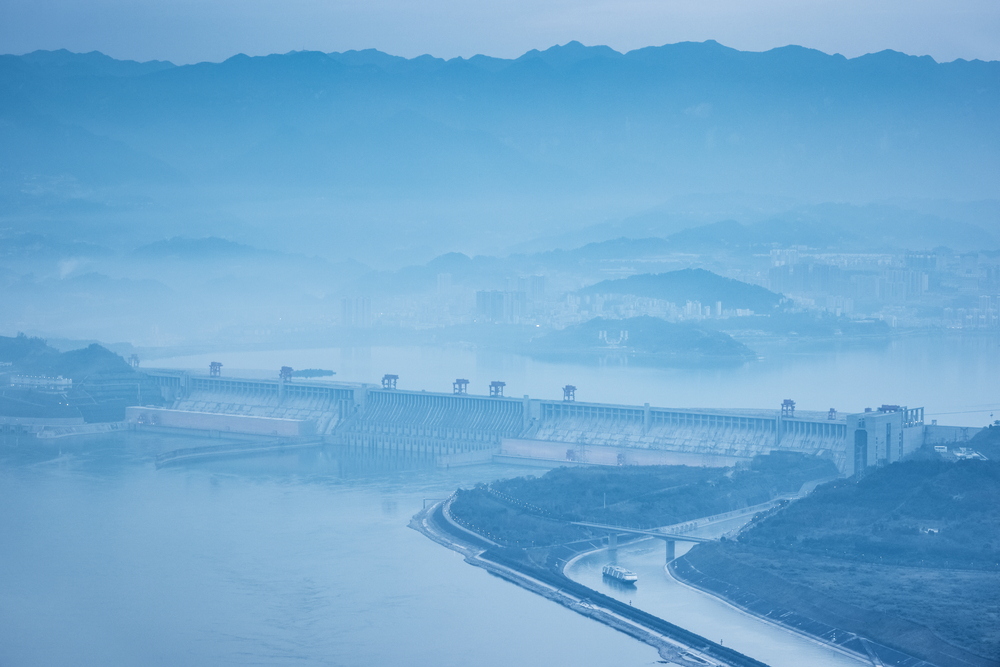
In much of the eastern world, rivers have been intensively engineered to support rapid urbanization, agriculture, and energy production. Mega-infrastructures like the Three Gorges Dam on the Yangtze exemplify large-scale hydraulic control, while cities such as Tokyo have transformed rivers into concrete floodways to manage typhoons and extreme rainfall.
These artificial rivers deliver clear benefits: flood protection, hydropower, irrigation, and water supply for millions. But the ecological costs are substantial. Channelization accelerates flow, reduces habitat complexity, fragments fish migration routes, and disrupts sediment dynamics essential for deltas and coastal stability. In densely populated basins, degraded waterways also concentrate pollutants and amplify health risks.
Climate change intensifies the dilemma. Stronger monsoons, glacier melt, and sea-level rise expose the limits of rigid hydraulic systems. When rivers lose their natural floodplains and wetlands, cities lose buffers against extremes.
Encouragingly, a shift is emerging. The restoration of Seoul’s Cheonggyecheon Stream shows that ecological rehabilitation can coexist with urban development. The future in Asia lies not in dominating rivers, but in redesigning them as hybrid systems – engineered for safety, yet restored for resilience, biodiversity, and public health.