
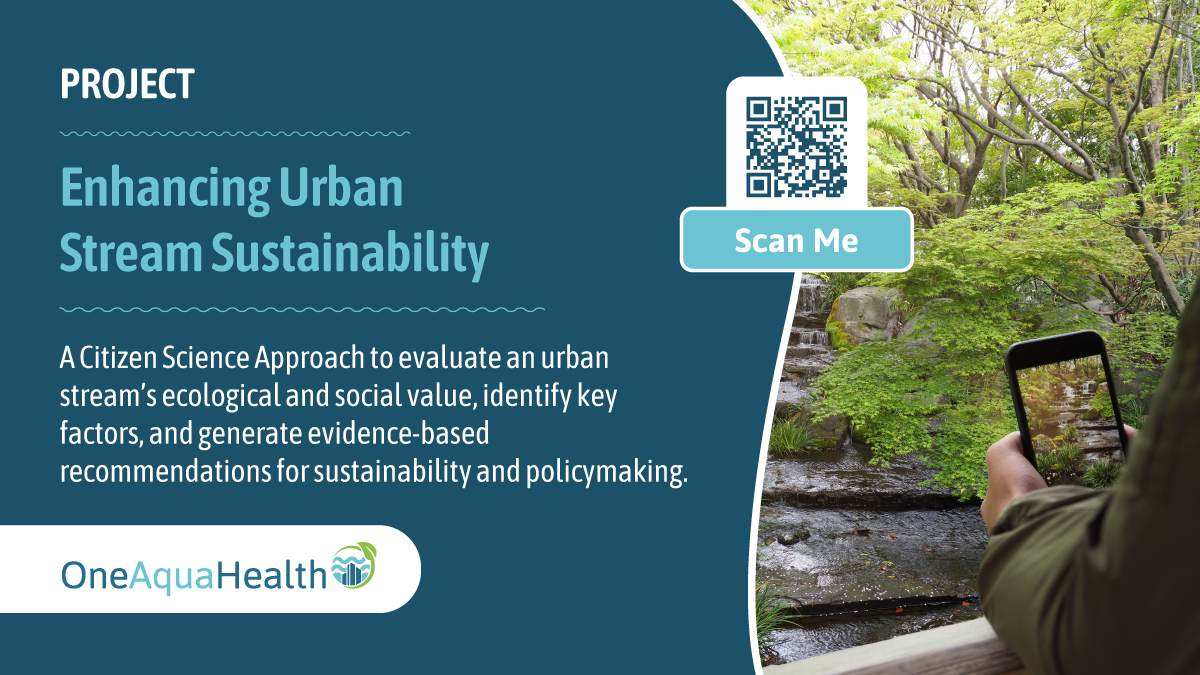
OneAquaHealth Community, Citizen‑science Project & CitizenScience App: Empowering Urban River Protection
The OneAquaHealth Community and its Citizen Science project form a powerful, complementary ecosystem that connects citizens, researchers, environmental practitioners and policy stakeholders to protect and restore urban waterways. By combining a moderated online community with a structured, app‑based data collection workflow, OneAquaHealth creates a practical bridge between local observation and evidence‑based action. Community membership provides the gateway to the Citizen Science app, ensuring that volunteers are onboarded, informed and connected before they begin fieldwork; this approach strengthens data quality, fosters local ownership and creates a clear pathway for observations to feed into research and policy dialogues.
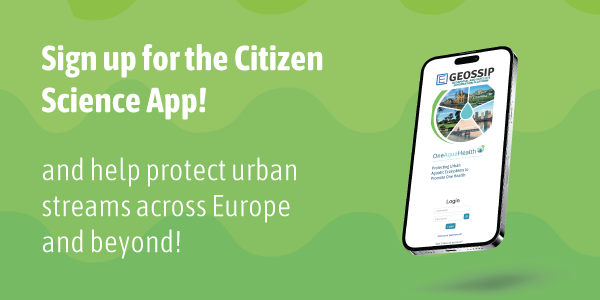
Participants in the Citizen Science project are invited to select an urban stream or river segment, document its ecological and social characteristics, and submit standardized observations – photos, short videos and structured scoring of water and habitat conditions – through the App. These submissions are enriched with metadata such as location, time, and contextual notes, producing comparable datasets that can be aggregated across sites and time. The Community supports this process by hosting discussion groups, training materials and templates, enabling volunteers to learn best practices, coordinate monitoring schedules and discuss preliminary findings with peers and experts.
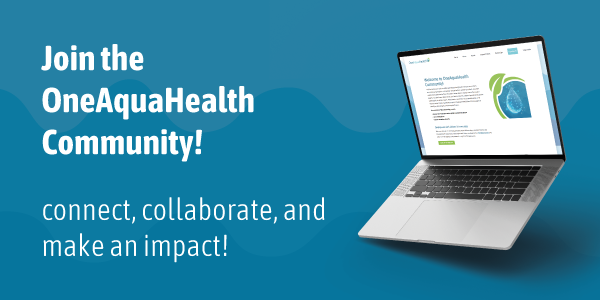
Beyond data collection, the Community functions as a collaborative workspace where local groups can form private or public teams, co‑design monitoring campaigns and translate observations into actionable recommendations. Moderated forums and expert‑led webinars provide opportunities for capacity building: volunteers receive guidance on sampling protocols and interpretation, while municipal planners and conservation practitioners gain direct access to locally grounded evidence. The Community’s structure also facilitates the elevation of successful local initiatives – pilot studies, restoration proposals or awareness campaigns, into broader visibility through the project’s Open Information Hub and webinar series.
The integration of community engagement and citizen science yields multiple benefits for urban water management. First, it expands monitoring coverage at low cost, capturing temporal and spatial variability that is often missed by formal monitoring programs. Second, it strengthens the social legitimacy of interventions by involving residents in problem identification and solution design. Third, the generated datasets support comparative analyses across cities and regions, informing policy recommendations and helping to prioritise restoration actions where they will have the greatest ecological and social impact. Importantly, the project emphasises that citizen contributions complement, rather than replace, professional monitoring and scientific research.
Project coordinators and researchers can use the curated datasets to identify systemic obstacles, pollution sources, infrastructure deficits or governance gaps, and to propose targeted improvements. The Community also supports the translation of findings into communication materials that raise public awareness and inform decision‑makers.
In sum, the OneAquaHealth Community, Citizen-Science project and Citizen Science App together create a scalable model for protecting urban rivers by linking grassroots observation with scientific analysis and policy engagement. By providing a structured entry point for volunteers, robust tools for standardized data collection, and a collaborative space for translating evidence into action, the initiative strengthens both local stewardship and cross‑sector learning. For cities seeking to safeguard aquatic ecosystems and promote healthier urban environments, this integrated approach offers a practical, participatory pathway from observation to impact.
Author(s): SYNYO GmbH