A Closer Look at the Lieve Canal: Fieldwork for a Healthier Ecosystem
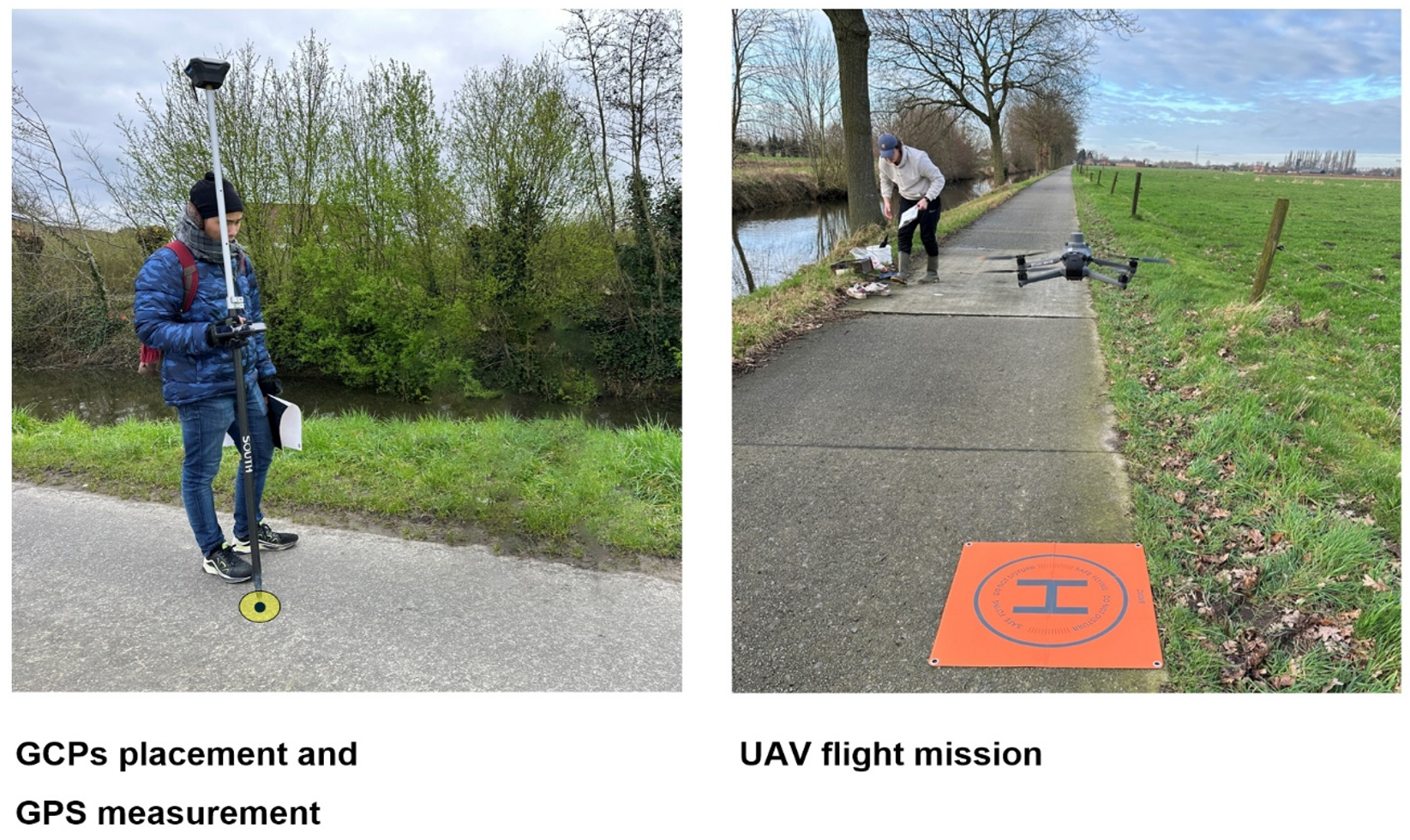
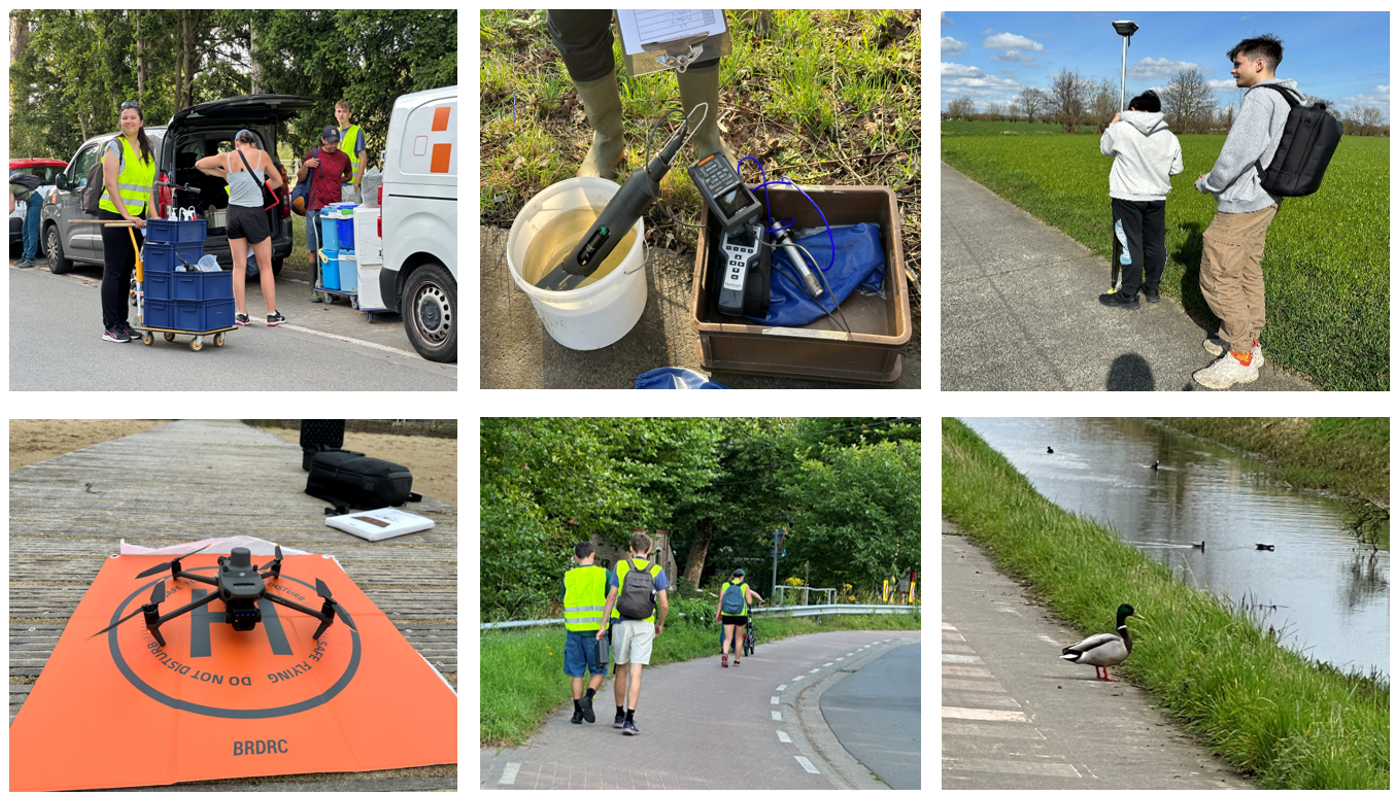
On cool October days in 2025, our team walked, measured, and observed life along the historic Lieve canal in Lievegem (Flanders, Belgium). Stretching quietly through fields and villages, the canal may look peaceful at first glance — but beneath the surface, it holds important clues about the health of the entire surrounding environment.
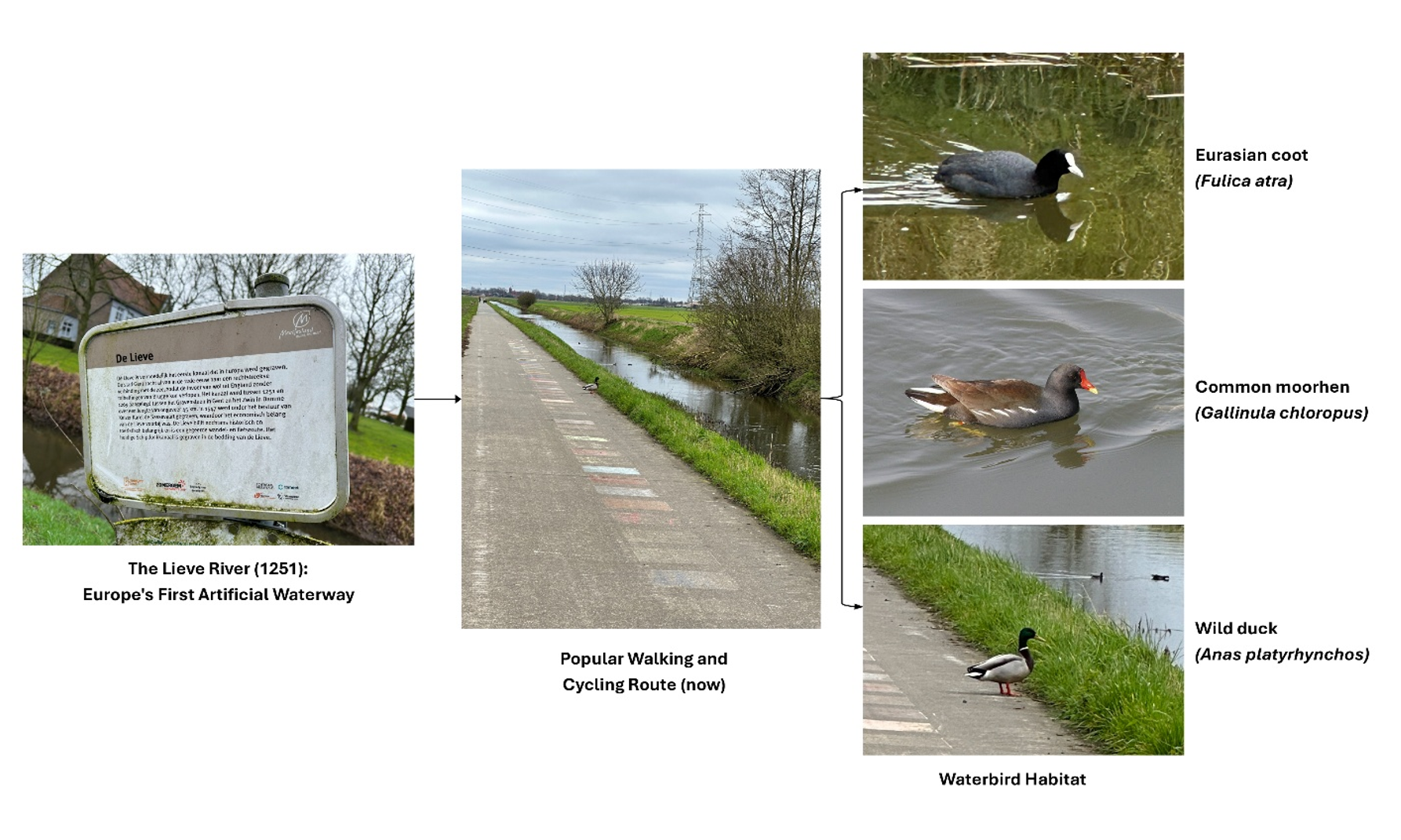
Created in the 13th century, the Lieve canal once connected Ghent to the North Sea, serving as a lifeline for trade, transport, and the early growth of the city. Today, long after ships have disappeared, the canal remains a vital ribbon of green and blue. It links agricultural and urban landscapes, supports wildlife, and shapes how water moves through the region — making it an ideal place to study how past and present human activities continue to influence ecosystem health.
To uncover these clues, we gathered water samples across the canal to check for nutrients, pesticides, and microbes such as E. coli. These indicators help reveal how farming, households, and everyday human activity shape water quality. At the same time, we monitored waterbirds like coots, ducks, and moorhens, whose presence and behaviour reflect the conditions they depend on.
From above, drone flights offered a wider view of the ecosystem. By observing algal blooms and the diversity of aquatic plants, we could see how the canal responds to stress — from pollution to climate changes — and how these changes ripple through the food web.
Together, these observations capture the spirit of the OneAquaHealth approach: the idea that environmental health, wildlife health, and human well-being are deeply connected. Clean water supports thriving plant and bird communities. Healthy ecosystems, in turn, reduce risks for people, from contaminated water to biodiversity loss.
Our days in the field reminded us that even small waterways carry big responsibilities. The Lieve canal is more than a historic channel — it is a living system that links nature and community. Understanding it is the first step toward protecting it.
Author(s): Long Ho, Marie Anne Eurie Forio, Peter Goethals, University of Ghent